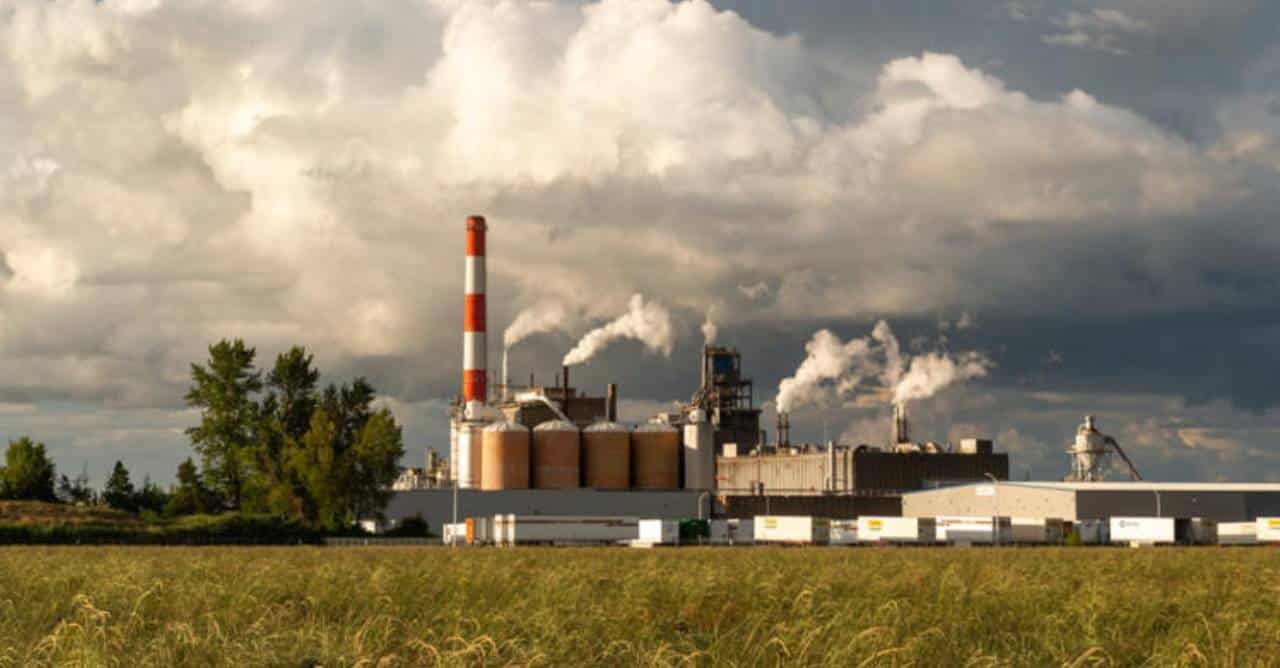
International Paper and Georgia-Pacific, two of the leading pulp and paper companies in the United States, are at the center of a wave of mill closures in the state of Georgia that is generating significant economic and social disruption. Within just a few months, five mills have shut down or announced plans to close, resulting in an estimated USD 2.9 billion economic impact and affecting thousands of workers, rural communities and forest-based supply chains.
The effects extend far beyond the mill sites themselves. From Savannah’s port to forested regions in southwest Georgia, the shutdowns have reduced employment, weakened local tax bases and placed pressure on funding for public services, including schools, hospitals and municipal governments.
Earlier this year, Georgia-Pacific closed its Cedar Springs mill, eliminating more than 500 jobs in one of the state’s lowest-income regions. Shortly thereafter, International Paper announced the closure of two Georgia mills, including a long-established facility in Savannah, placing approximately 1,100 additional jobs at risk. State economic models estimate that the combined impact of these closures, along with other recent shutdowns, totals roughly USD 2.9 billion in lost output.
The consequences are particularly severe in southwest Georgia, where regional reports indicate that the closure of a single mill could leave an annual USD 182 million gap in the local economy. Beyond production, paper mills served as anchor institutions, supporting tax revenues that funded essential services across multiple counties.
State officials and industry representatives point to a convergence of pressures driving the shutdowns, including declining demand for printing and writing paper, rising energy and labor costs, and competition from large-scale, lower-cost mills in global markets. Corporate restructuring strategies have also played a role, such as International Paper’s USD 1.5 billion reorganization of its global cellulose fibers business.
The closures are reshaping timber markets as well, reducing regional processing capacity and limiting sales options for forest landowners. In response, forestry leaders and policymakers are exploring pathways toward higher-value wood products, including mass timber construction and bio-based chemicals.