FSC® updates rule to certify “new” forests
Now, areas that were converted between 1994 and the end of 2020, as long as they meet strict compensation criteria, will be able to obtain certification
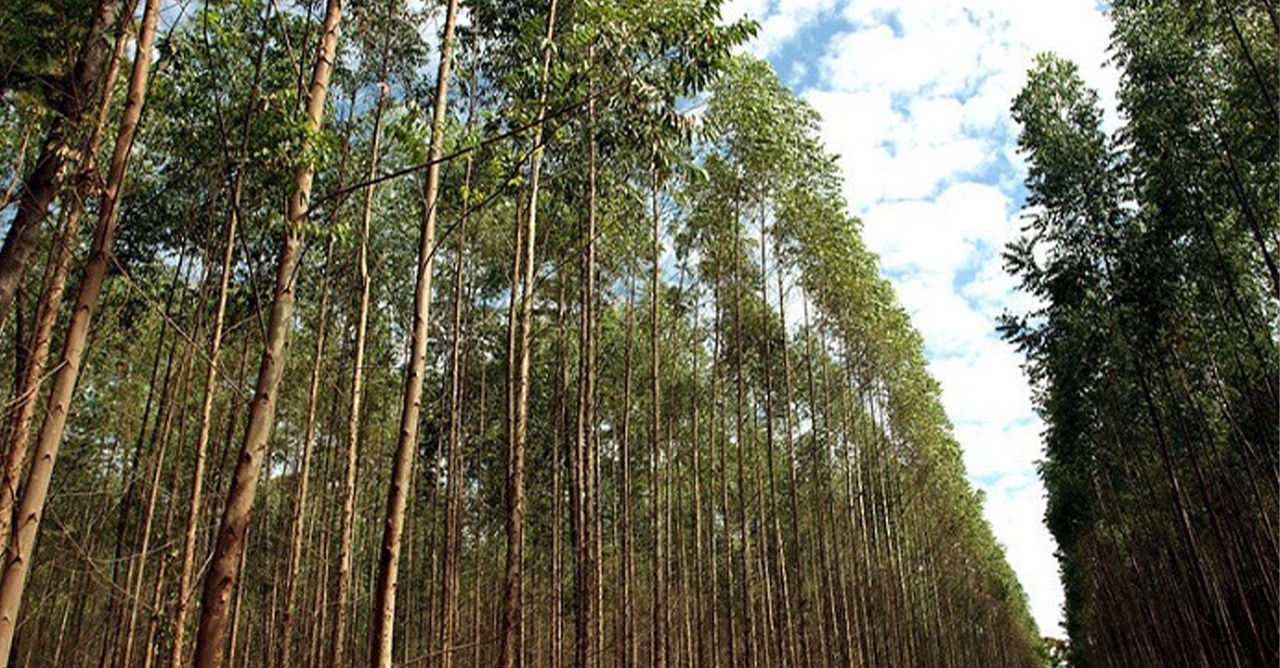
At a general meeting in Indonesia, the Forest Stewardship Council (FSC®) approved the certification of “new” forests, under strict conditions. It took 11 years of negotiations to change the rule, which should have a direct impact on the forestry sector.
Prior to the decision, a “golden rule” of the FSC system prevented certification for forests planted in areas deforested after 1994. Now, areas that were converted between 1994 and the end of 2020, provided that according to strict compensation criteria, may obtain certification.
As a result, companies that are responsible for deforesting the area that has been converted into forest will have to compensate for each hectare deforested with one hectare recovered. In the case of indirect liability, the restoration fee must be 30% of the area.
Another factor to achieve certification, companies will have to remedy any social damage, regardless of direct or indirect liability.
According to Rafael Benke, CEO of Proactiva Results, a consulting firm in the area of ESG and human rights, the new FSC criteria are “a milestone not only for the forestry sector, but also for sustainable development”.
“There are hundreds of millions of hectares that could be part of the FSC system, through socio-environmental compensation. It will be a commercial stimulus for the integration of these areas which, consequently, will generate a positive socio-environmental impact with the compensations”, said the executive.
For Lineu Siqueira Júnior, one of the founders of the FSC and a member of its Policies and Standards Committee, the measure does not mean an incentive to deforestation, but a regulation of conversion issues (deforested areas converted into forest plantations), with principles and rules rigid.