



Essity launches community initiative connecting local production with social support in Alabama
Made Here, Stays Here programme involves employees in selecting community organisations and begins with a donation of hygiene products to Safeplace, Inc.
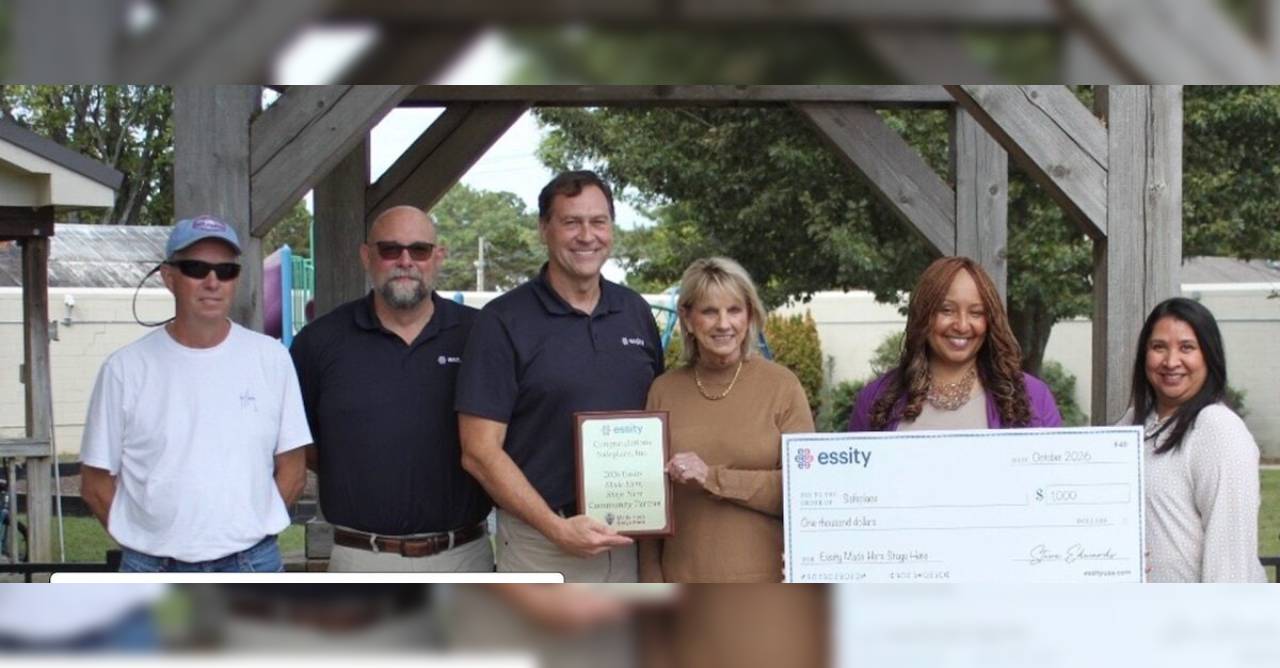
Essity has launched Made Here, Stays Here, a community-giving initiative at its Barton facility in Alabama, United States. The programme connects locally manufactured hygiene products with organisations supporting communities near the company’s North American operations.
As part of the initiative, employees at participating facilities will help select the local organisations that receive support. At the Barton site, employees voted to name Safeplace, Inc. as the programme’s first community partner.
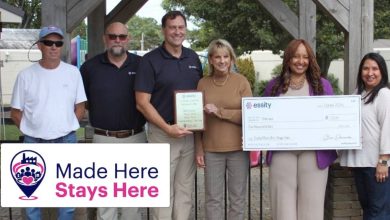
The organisation received a financial donation and essential Tork hygiene products. Essity also plans to make an additional toilet paper donation in December.
SUPPORT FOR DOMESTIC VIOLENCE SURVIVORS
Based in northwest Alabama, Safeplace provides assistance to individuals and families affected by domestic violence. Its services include emergency shelter, crisis intervention, counselling, legal advocacy and prevention education.
Community contributions help the organisation cover essential operating expenses that are not always included in grant funding. Essity representatives visited Safeplace to deliver the donated products and formally recognise it as the initiative’s first partner.
Sandra Ellis, Executive Director of Safeplace, said: “Safeplace relies on community support to sustain our shelters.” She also thanked everyone involved for contributing to the organisation’s work.

LOCAL MANUFACTURING AND COMMUNITY ENGAGEMENT
Essity’s Barton facility manufactures Tork toilet paper, napkins and paper towels through its papermaking and converting operations. The site employs more than 550 people in the Shoals area, near Cherokee, Alabama.
Through Made Here, Stays Here, the company aims to strengthen ties between its manufacturing operations and the communities where it operates, while giving employees an active role in identifying local needs. Barton marks the programme’s first location, with plans to extend the initiative to other participating facilities across North America.