Sertec20 clarifies myth about paper recycling and presents PULPTECH S20 technology
The company highlighted that the new types of paper appearing on the market generate serious problems in their recycling and pointed out how enzymatic application contributes to industrial efficiency and the circular economy
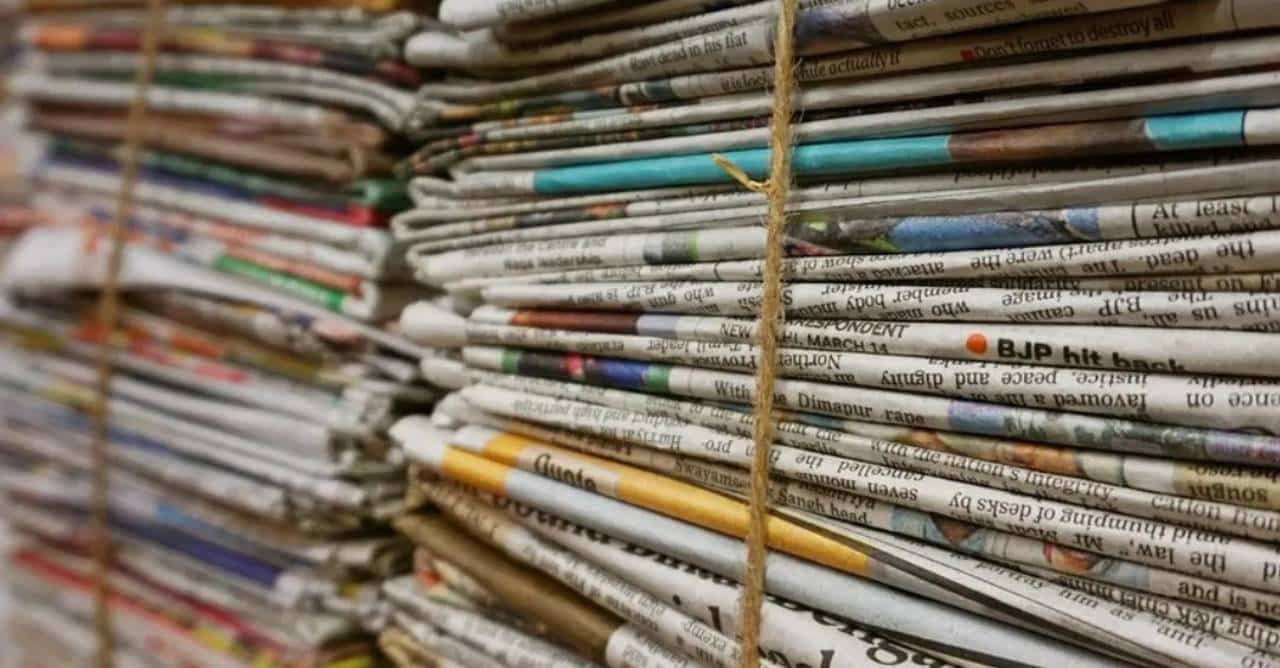
The new demands of the market are driving the commercialization of papers that contain chemicals, plastics, and other coating substances that cause significant challenges during recycling. Conventional treatments used for the disintegration of difficult-to-repulse papers are not always effective and often damage the fiber, in addition to increasing conductivity, which can lead to a loss of production efficiency and even quality issues in the final paper. With proper technology, paper can be recycled five to seven times, maintaining its quality and reducing the need for virgin fibers.
TECHNOLOGICAL SOLUTION
Sertec20 works on developing solutions that aim to increase the efficiency of fiber recovery. Among these initiatives is the PULPTECH S20 line, based on enzymatic technology applied to the repulping process. The purpose is to optimize the recycling and treatment of cellulose fibers, acting in the most critical stages of paper manufacturing.
BENEFITS IN THE INDUSTRIAL PROCESS
According to the company, the application of PULPTECH S20 allows:
- Reduction in water and energy consumption, contributing to process sustainability;
- Optimization of the purification and treatment of recycled fibers, removing impurities without damaging cellulose;
- Improved retention and drainage, enhancing the performance of paper machines.
ENVIRONMENTAL COMMITMENT
With the use of this technology, Sertec20 reinforces its environmental commitment and its pursuit of practices that support a circular economy in the pulp and paper sector.