



Essity United Kingdom transforms tissue waste into livestock bedding
The initiative, developed in partnership with Veolia, converts industrial by-products into absorbent materials for farms under a circular economy model
Essity in the United Kingdom has implemented a recycling initiative aimed at transforming tissue waste into livestock bedding, as part of its efforts to enhance circularity and reduce environmental impact.
The project, developed in collaboration with Veolia, converts excess paper fibers—commonly referred to as “paper crumbs”—into a dry, highly absorbent and biosecure material suitable for poultry and dairy farming. The resulting product is marketed under the brands Agribed and Agrisoft.
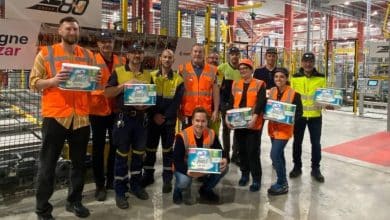
The initiative is currently being carried out at the company’s Stubbins and Prudhoe facilities, which together produce around 150 tonnes of paper per day. During the recycling process, approximately 40% of the material consists of residual solids that were previously considered waste.

Since May 2024, a total of 20,700 tonnes of shredded paper have been collected and recycled at the Stubbins site alone. The material is then transported to Veolia facilities, where it undergoes an intensive drying process that reduces moisture levels from around 45% to between 8% and 10%, resulting in a safe and efficient bedding product.
The recovered material has now been classified as a finished product, allowing it to be commercialized rather than treated as waste. According to the company, this approach helps reduce landfill disposal and associated emissions.
Looking ahead, Essity plans to expand this technology to its other UK facilities, including Trafford and Northumberland, while Veolia is considering scaling up distribution across the poultry sector in response to growing demand.