



Georgia-Pacific tests autonomous drone system at Alabama pulp mill
Technology aims to standardise construction monitoring, improve safety and support digital workflows during US$800 million modernization project
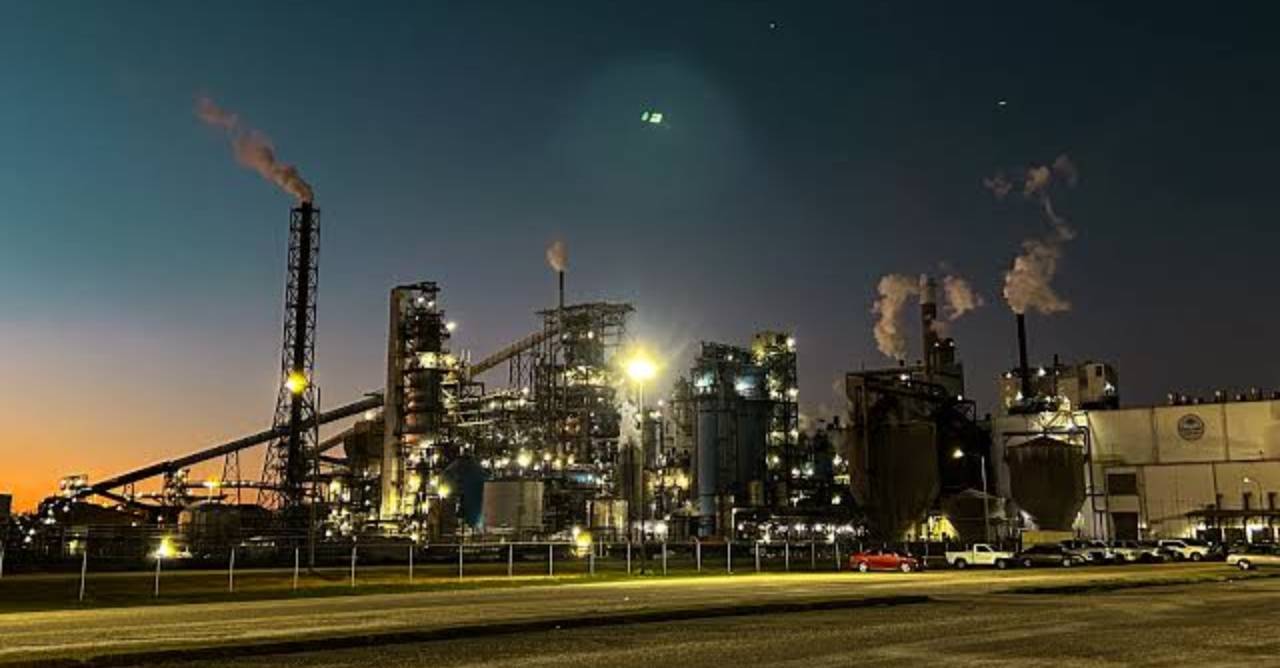
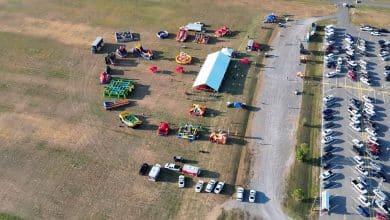
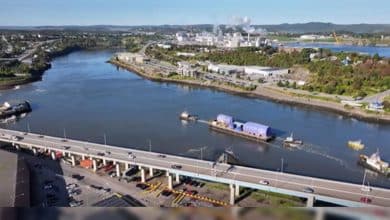
Georgia-Pacific is testing an autonomous drone system at its Alabama River Cellulose mill in Perdue Hill, Alabama, to monitor construction progress on a daily, weekly and monthly basis.
The initiative marks the company’s first reported use of an autonomous drone for this type of industrial application. Until now, image collection relied on an individual drone operator, meaning that differences in flight paths, altitude and camera positioning could affect successive captures and make progress comparisons less consistent.
STANDARDISING CONSTRUCTION MONITORING
Georgia-Pacific began evaluating an automated approach to standardise the way images are collected, reduce manual work and limit pilots’ exposure to potential hazards within the industrial environment.
The system is designed to provide project leaders and other decision-makers with more regular and consistent information on construction progress. At the same time, the technology is expected to allow employees to spend more time on higher-value activities.
“Innovation is taking flight. For the first time in our history, an autonomous drone system is being tested at Alabama River Cellulose. This is creating a safer, smarter way to track progress and giving teams more time to focus on what matters most. The future of work is already in motion,” Georgia-Pacific said.
The company said approximately 1,500 drone inspections have been conducted across its operations, although it did not specify the period covered by that figure. Georgia-Pacific added that, as resources become increasingly constrained, new technologies must demonstrate measurable value and an adequate return on investment.
PART OF A BROADER DIGITAL STRATEGY
The autonomous drone project is also part of a broader digital delivery programme focused on reality capture, three-dimensional modelling and integrated data workflows.
The longer-term objective is to develop a connected digital twin capable of supporting safer project execution, faster decision-making and greater operational value. By combining physical-site data with digital models, the initiative is expected to strengthen the way construction and operational information is captured and used throughout the project lifecycle.
US$800 MILLION MODERNIZATION PROJECT
Alabama River Cellulose is a Georgia-Pacific pulp mill located in Perdue Hill. The company acquired the facility in 2010, and the mill produces bleached softwood kraft pulp, supplied as market pulp in bales and fluff pulp in rolls.
The facility is currently undergoing an $800 million modernization and expansion programme announced in 2025. Scheduled to continue through 2027, the project is designed to improve production efficiency, increase capacity and position the facility as one of the most technologically advanced softwood pulp mills in the United States.