



Smurfit Westrock unveils 2030 sustainability targets and advances global decarbonization strategy
New goals include cutting greenhouse gas emissions, water consumption and landfill waste while expanding investments in communities and responsible forestry
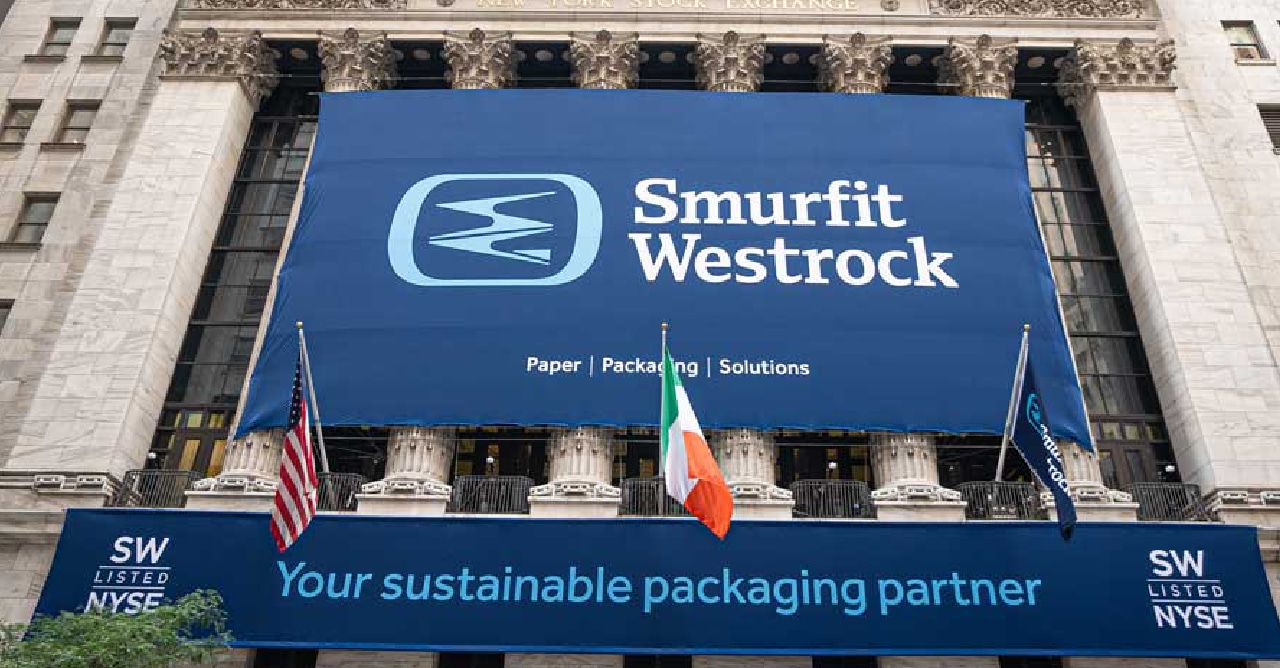
Smurfit Westrock has released its 2025 Sustainability Report, introducing a new set of global environmental, social and governance (ESG) commitments under its “Better Planet Targets” initiative. The goals establish measurable targets through 2030, focusing on reducing greenhouse gas emissions, water consumption and landfill waste, while increasing investments in social and environmental initiatives aligned with the United Nations Sustainable Development Goals (SDGs).
Among the company’s key objectives are a 28% reduction in greenhouse gas emissions from operations and energy consumption, a 22% decrease in water withdrawals at its mills and a 24% reduction in waste sent to landfill, using 2019 as the baseline year.
Smurfit Westrock also reaffirmed its commitment to maintaining 100% certification of its owned forests under FSC® or PEFC standards and sourcing fiber exclusively from responsibly managed forests. In addition, the company plans to invest more than US$40 million in community, environmental and social initiatives by 2030.
“Sustainability is at the heart of our business model. Our new targets reflect the company’s commitment to operating more efficiently, embracing circularity and addressing global challenges related to climate, biodiversity and the responsible management of natural resources,” said Luciana Souto, Branding, Communications and Sustainability Director at Smurfit Westrock Brazil.
CIRCULAR ECONOMY AT THE CORE
Operating in 40 countries and employing approximately 100,000 people, Smurfit Westrock continues to base its business model on circular economy principles, using renewable, recyclable and recycled raw materials in the production of packaging solutions.
In 2025, the company invested more than US$10 million in projects supporting education, healthcare, community development and environmental conservation. During the same period, it consumed approximately 13.1 million tonnes of recycled fiber across its global operations. Today, recycled fiber accounts for around 55% of the company’s primary raw material, reinforcing its position as one of the largest paper recyclers in North America and Europe while maintaining a strong presence in Latin America.

DECARBONIZATION INITIATIVES
The report highlights several projects aimed at reducing carbon emissions across the company’s manufacturing network. In France, four mills achieved net-zero operational emissions related to industrial activities and electricity consumption in 2025. The milestone resulted from investments in electrification, fossil fuel replacement and renewable energy sources, measures expected to reduce approximately 300 tonnes of CO₂ emissions annually.
In water management, Smurfit Westrock is investing in wastewater treatment infrastructure, including a US$30 million project at its Solvay mill in New York. According to the company, the initiative will improve treated wastewater quality while preventing approximately 5,000 tonnes of CO₂ emissions each year.
RESPONSIBLE FORESTRY AND INDUSTRY RECOGNITION
Smurfit Westrock manages approximately 308,000 acres of forests and plantations, primarily in Latin America, all certified under FSC® or PEFC standards. The company also reaffirmed that it does not source wood from the Amazon or other protected conservation areas.
The report also highlights recognitions received in 2025. Smurfit Westrock was named among the “Top 10 Most Sustainable Manufacturing Companies” by Sustainability Magazine and ranked 27th in the global Clean200 list, becoming the highest-ranked packaging company in the index.
As part of its long-term climate strategy, the company continues to target net-zero emissions by 2050. The roadmap includes investments in emerging technologies, industrial electrification, biomass, hydrogen and renewable power purchase agreements to progressively reduce dependence on fossil fuels.