Wet wipes manufacturers attend the 2nd annual meeting of the Responsible Flushing Alliance
Guests from the wipes industry and wastewater engaged in frank discussions regarding responsible steps to decrease fatbergs in California sewers at RFA’s annual meeting
In early march, the Responsible Flushing Alliance (RFA) held its second virtual annual meeting, where members from the wipes manufacturing industry, wastewater and sanitation agencies, consumers, and media were invited to attend. The meeting offered attendees a chance to hear from key stakeholders about the role each party plays in decreasing costly and unsanitary fatbergs and clogs in California sewers.
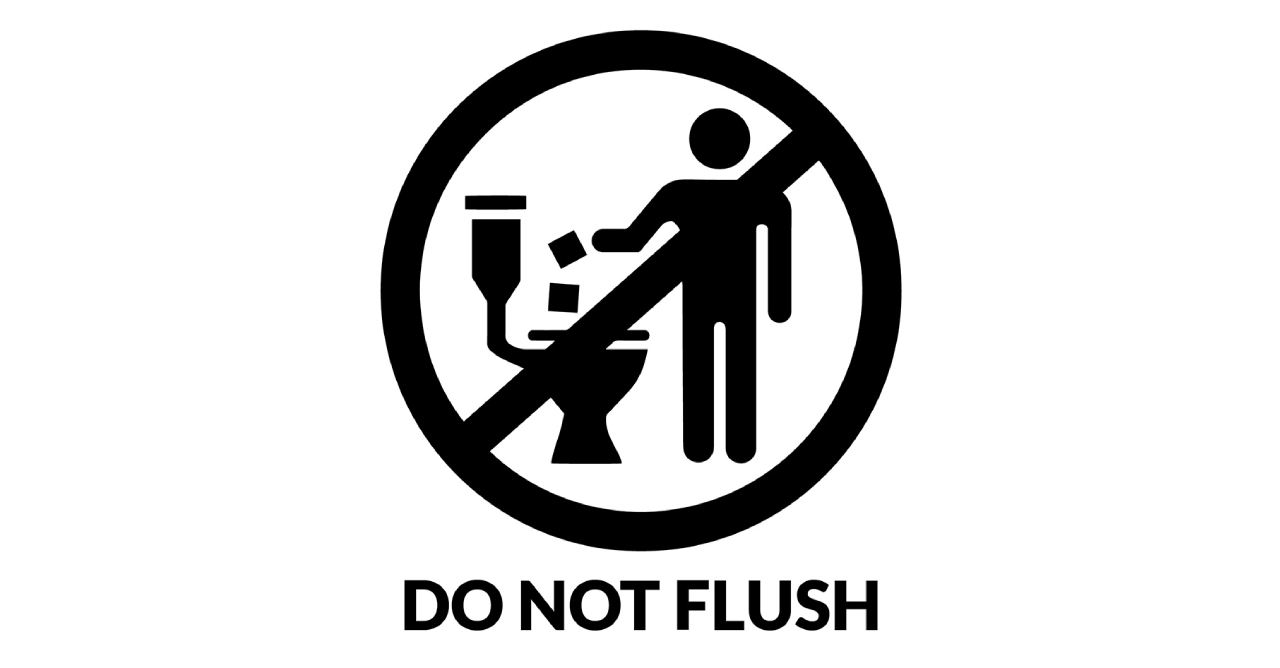
Attendees heard remarks from RFA Chairwoman, Mandy Ciccarella, a representative from Proctor & Gamble; RFA President, Lara Wyss; California Association of Sanitation Agencies (CASA) Director of Legislative Advocacy & Public Affairs, Jessica Gauger; and National Stewardship Action Council Founding Executive Director, Heidi Sanborn. With industry, wastewater, and advocacy groups also represented, common sense solutions, such as the new “Do Not Flush” labeling, were covered to help California consumers understand what not to flush.
Data presented at the annual meeting illustrated that consumers would like clear direction on how to properly dispose of wet wipes sold in California. RFA’s research underscores the importance of educating consumers on what wet wipes not to flush, as a first line of defense in preventing fatbergs and costly wastewater service disruptions. RFA’s consumer education campaign, called #FlushSmart, is aimed at helping to decrease damage to home and community sewer systems by highlighting the “Do Not Flush” symbol found on packaging of wet wipes not designed to be flushed.
“In most years, California is in a significant drought, meaning we’ve taken a lot of steps as a state to use less water, so our sewer systems run slower and lower than in many other places,” said CASA’s Jessica Gauger in the panel discussion portion of the meeting. “With those slower flows, there’s more opportunity for debris to clump together as it moves through the system. Non-flushable wipes can catch other non-flushable materials such as fats, oils, and grease and they become fatbergs.”
The panel discussion led to both Gauger and NSAC’s Heidi Sanborn emphasized the importance of proper labeling across non-flushable wipes to help consumers make responsible decisions regarding their flushing habits.
“Truth in labelling is absolutely key… the “Do Not Flush” label is an absolutely critical communication tool for the public.” said Sanborn. “We’re super grateful for the companies that have stepped up and are working with us; that is exactly how we’re going to solve this together.”
Both wastewater representatives highlighted the need for partnership between their industry and the manufacturers. This is exactly what RFA was created to accomplish. As the industry-funded alliance ramps up its efforts for 2023 consumer education, attendees of the annual meeting got a glimpse of what is next for the #FlushSmart campaign. All educational resources are designed to point to the “Do Not Flush” symbol, showing consumers where to look when determining where their wipes belong post-use.
For more information on the collaboration between wastewater and industry to advance responsible flushing habits, please visit flushsmart.org.