



World Toilet Paper Day: Restroom technologies can help businesses reduce paper costs by up to 40%
The company highlights that one-sheet-at-a-time dispensing systems can lower paper consumption, reduce refill times and improve facility management in high-traffic environments
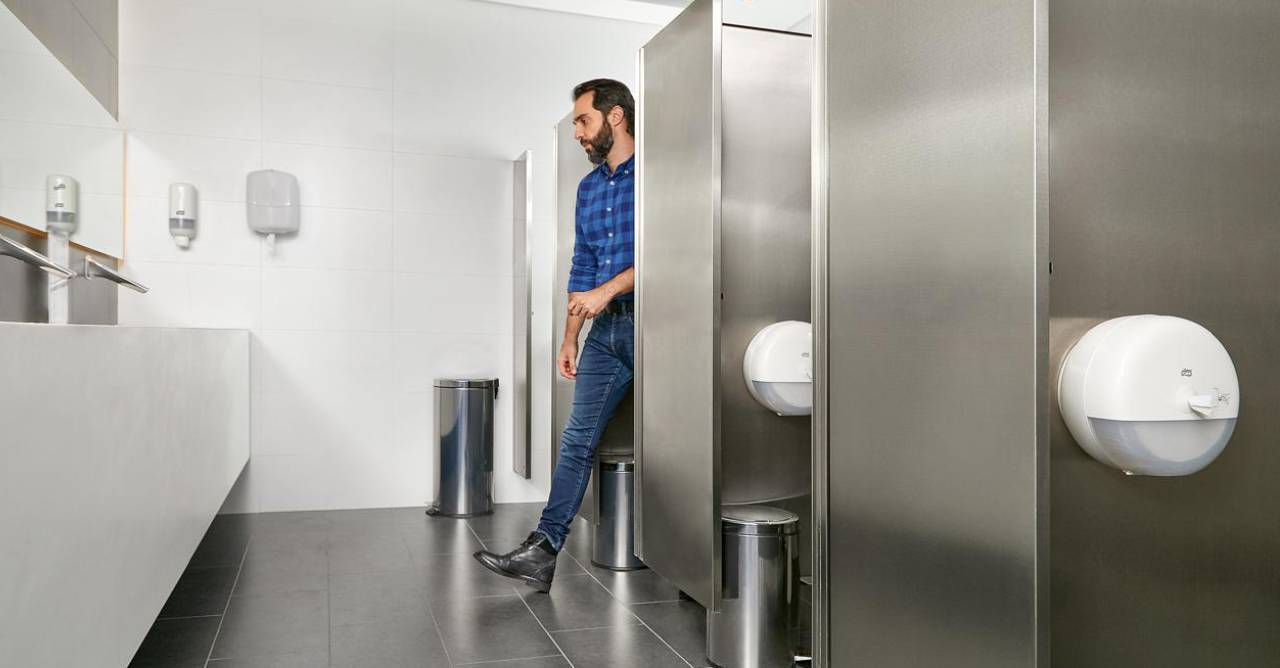
Tork, Essity’s brand specializing in professional hygiene solutions, highlights the development of technologies aimed at improving efficiency in restroom management in companies, industrial facilities and commercial spaces. As part of World Toilet Paper Day, commemorated on August 26, the company points out that managing these spaces can shift from being considered an operational expense for supplies to becoming an opportunity to improve financial efficiency and sustainability.
In Chile, the debate becomes particularly relevant in light of regulations such as the Extended Producer Responsibility Law (Law No. 20,920), which encourages organizations to adopt concrete measures to reduce direct operating costs and decrease their environmental impact.
Overconsumption associated with excessive dispensing, vandalism and the waste of incomplete rolls can account for up to 30% of the direct loss of the budget allocated to managing high-traffic facilities. In response to this situation, dispensing technology is presented as an alternative aimed at optimizing the use of supplies and generating returns on investment.
In this regard, Francisco Salamé, Southern Cone Commercial Director for Tork®, highlights the need to approach restroom management from an operational profitability perspective. According to the executive, implementing one-sheet-at-a-time dispensing systems can reduce paper costs by up to 40% and cut in half the time spent by staff restocking supplies.

EFFICIENCY FIGURES SUPPORTED BY FIELD AUDITS
Between 2022 and 2024, Essity conducted a comparative study and consumption audits in more than 300 high-traffic commercial, corporate and industrial facilities in Latin America and Europe. The evaluations measured the impact of replacing traditional jumbo-roll dispensers with unit-dispensing systems such as Tork SmartOne®.
The results reported by the company include:
- Up to 40% reduction in monthly supply costs: the one-sheet-at-a-time dispensing system reduces excessive consumption and eliminates waste generated by automatic sheet dispensing, making it possible to reduce paper purchases by up to 40% and generate direct monthly budget savings.
- Up to 50% savings in restocking and maintenance time: high-capacity systems extend the intervals between refills, cutting in half the staff hours spent monitoring and replenishing supplies among cleaning crews.
- Up to 60% reduction in blockages and plumbing expenses: assisted cutting ensures that only the required amount of soluble paper enters the sewage system, reducing emergencies caused by blockages and the costs associated with technical services.
- 63% satisfaction associated with paper availability: in parallel, according to Essity’s latest global hygiene habits survey of more than 15,000 people in 15 countries, 63% of users assess an institution’s overall cleanliness based on the constant and guaranteed availability of paper.
RETURN ON INVESTMENT AND ENVIRONMENTAL IMPACT
The functional design of mass-consumption supplies also plays a role in the transition toward more sustainable companies and facilities. In this context, Francisco Salamé emphasizes the ability of these tools to optimize institutional management and reduce waste.
The executive points out that ensuring the availability of paper in high-traffic spaces does not necessarily imply a proportional increase in monthly spending. From this perspective, systems that allow each user to consume only the necessary amount can help balance operational efficiency objectives with waste reduction.
Amid greater efficiency and sustainability requirements, more organizations are reviewing the impact of consumption traditionally considered minor. In this way, the smart management of restroom supplies is presented as an opportunity to reduce operating costs, optimize resources and improve the experience of users and employees.