The Navigator Company reported a net profit of €49 million in the first half of 2026, representing a 69.1% decrease compared with the €158.8 million recorded in the same period of 2024 and a 42.4% decline from the €85 million reported in the first six months of the previous year.
Between January and June 2026, the company’s sales reached €869 million, while EBITDA stood at €143 million, Navigator said in a statement.
In the second quarter, the company reported sales of €442 million and EBITDA of €79 million, corresponding to an EBITDA margin of 18.0% for the quarter — an increase of 2.6 percentage points compared with the same period of the previous year.
Second-quarter net profit reached €32 million, which the company identified as an 85% year-on-year increase.
In the pulp business, first-half sales totaled 111,000 tonnes.
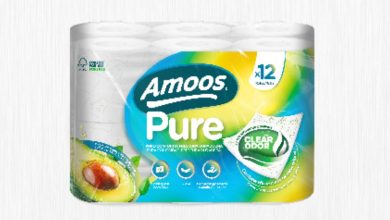
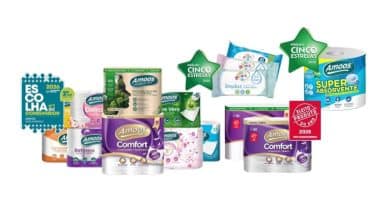
The Tissue business “continues to establish itself as a strategic pillar for growth and international diversification, already accounting for approximately one quarter of sales,” the company said.
International sales in this segment accounted for 80% of total volume in the first half of 2026, compared with 54% in 2022, before the integration of Tissue Ejea and Tissue UK. Spain led sales in the segment, accounting for 32% of total value, followed by the United Kingdom at 31% and France at 15%.
The Packaging segment recorded sales of €53 million during the first half of the year, with approximately 70% of revenue directed to the European market, “with the remaining 30% coming from international markets, namely the Americas and the MENA region (Middle East and North Africa).”
Average prices in this business area also increased. Average prices in June were 13% higher than those recorded in December 2025, “helping to offset the significant increase in costs.”
The company also reported growth in volumes and prices in specific sectors, particularly uncoated woodfree (UWF) printing and writing papers and packaging, which contributed to its operating performance during the first half of the year. Production capacity utilization approached 90% during the reported period.
Capital expenditure totaled €127 million in the first half of 2026, of which approximately €72 million was classified as investment with an ESG component.
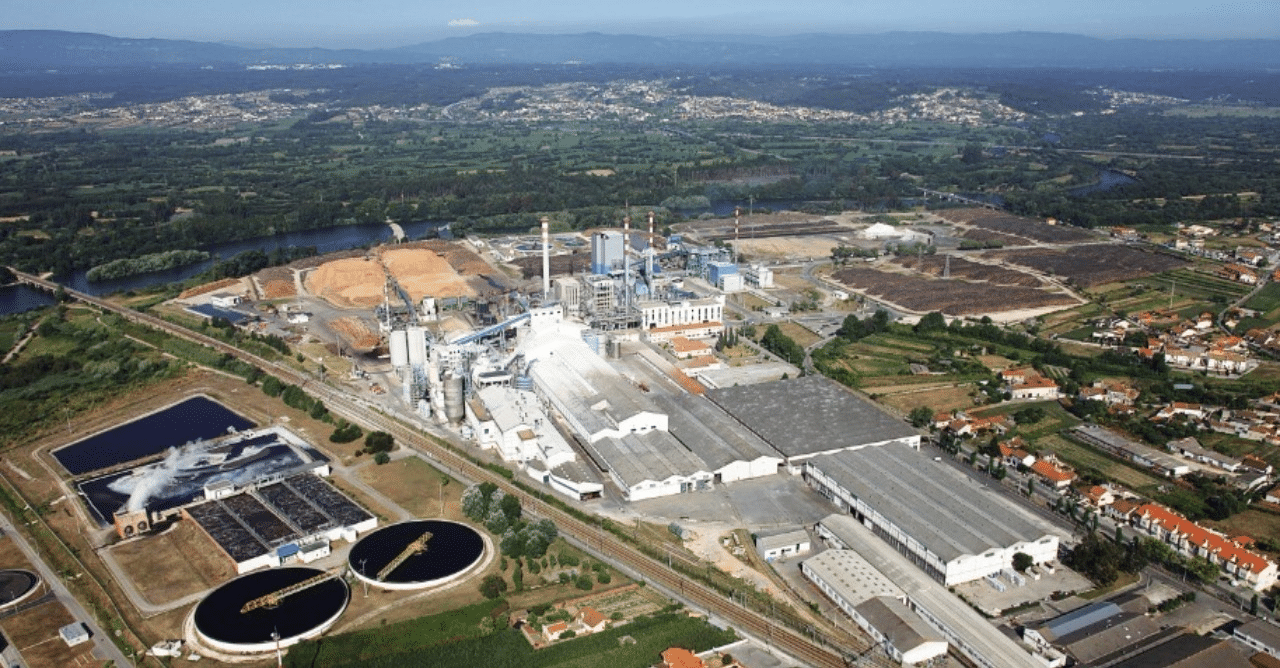
Among the projects highlighted by the company is an oxygen delignification project at the Setúbal Complex, involving an investment of more than €40 million. The initiative is aimed at reducing carbon intensity and improving the thermal efficiency of the facilities.
According to the company’s statement, its financial position as of June 30, 2026, showed net debt of €693.2 million. Navigator had €363 million in unused long-term financing facilities. Sustainable financing accounted for 95% of total debt, while approximately 60% of the company’s exposure was either at fixed rates or hedged, which Navigator presented as evidence of lower sensitivity to changes in interest rates.
On the operational side, management announced a variable cost reduction program expected to generate annual savings of approximately €28 million from 2027 onward. The measures include procurement optimization, energy efficiency initiatives and a review of operating processes. The company also said that part of the expected gains from its sustainability-related capex plan should materialize through lower energy consumption and operating costs over the coming years.
The results announcement also referred to price and cost dynamics. Tariff increases in key segments and the recovery of pulp prices were cited as factors contributing to improved margins in the second quarter, while energy, raw material and logistics costs continued to put pressure on profitability.